Jalil
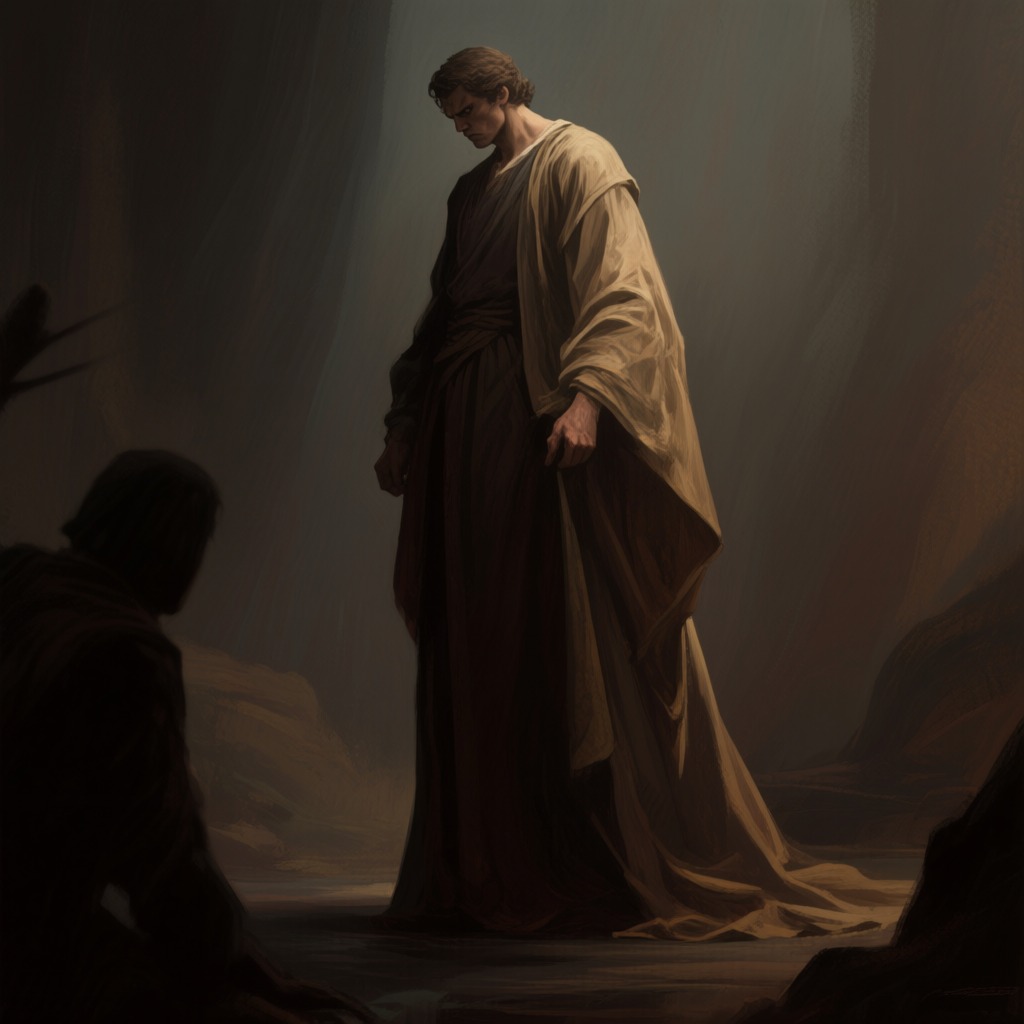
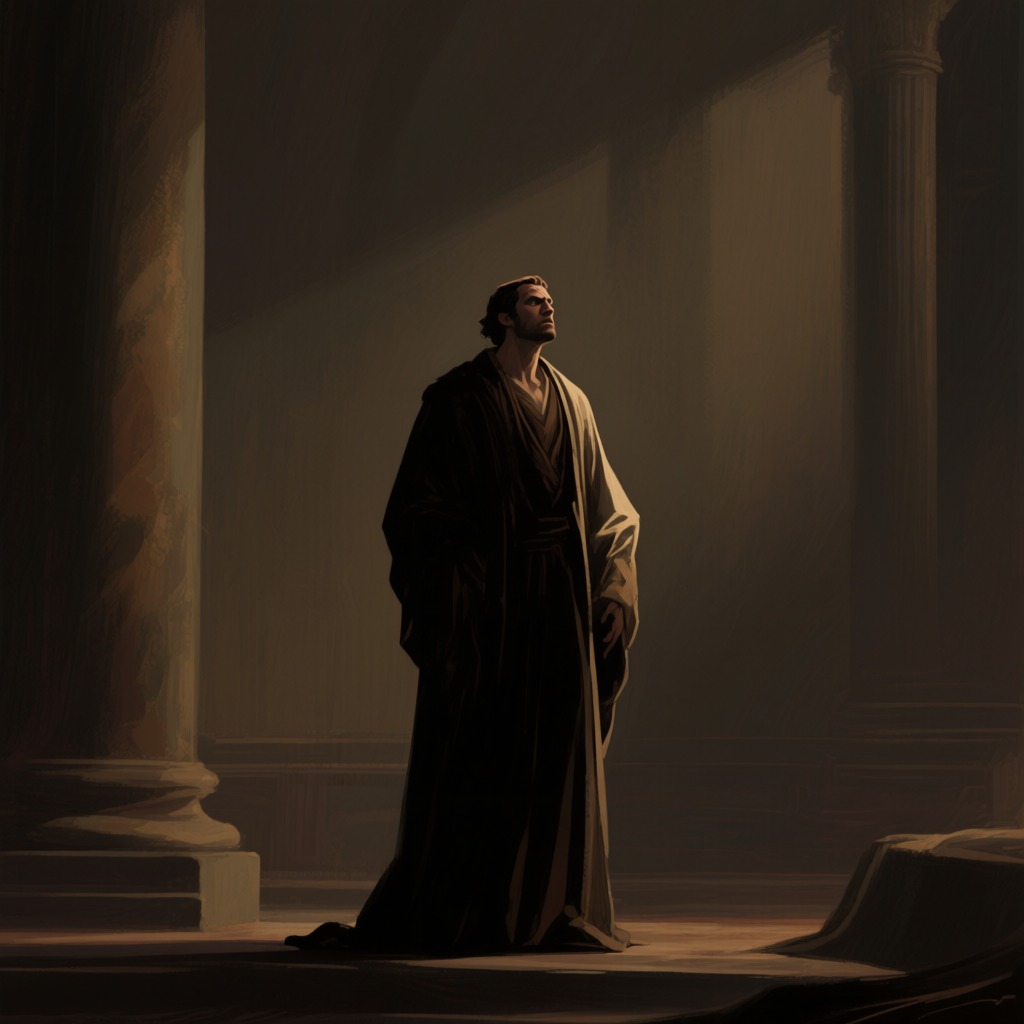
Jalil is one of Herat's wealthiest and most connected men, the owner of a cinema, land in Karokh and Farah, three carpet stores, a clothing shop, and a black 1956 Buick Roadmaster. He is a friend of the mayor and the provincial governor, and he has three wives and nine legitimate children. Mariam, born in 1959, is his illegitimate daughter by Nana, a former housekeeper. When Nana became pregnant, Jalil did not stand up to his family; instead, a face-saving deal was struck, and he sent her away, later claiming she had forced herself on him. He built the small kolba on the outskirts of Gul Daman where Mariam and Nana would live, raising it with his own sons Farhad and Muhsin as a form of penance rather than hiring laborers.
Identity and Background
Jalil is defined by his dual existence: the adoring father who visits every Thursday and the absent patriarch who keeps Mariam hidden. To Mariam, he is a figure of enchantment, arriving in a dark brown suit with a red tie and a white handkerchief in his breast pocket, tossing her into the air, teaching her to fish, gut trout, draw an elephant in one stroke, and sing rhymes. He brings her gifts—a carnelian bracelet, a lapis lazuli choker, a leaf-shaped pendant with tiny coins—and tells her stories of Herat's glorious past, of Queen Gauhar Shad's minarets and the poet Jami buried beneath a pistachio tree. He is her link to a world beyond the kolba, reading to her from the newspaper and explaining events like the 1973 coup that overthrew King Zahir Shah. Yet Nana constantly warns Mariam that Jalil's words are "rich lies," that he cast them out of his big fancy house like nothing, and that his gifts are halfhearted tokens of penance.
The Betrayal at the Cinema
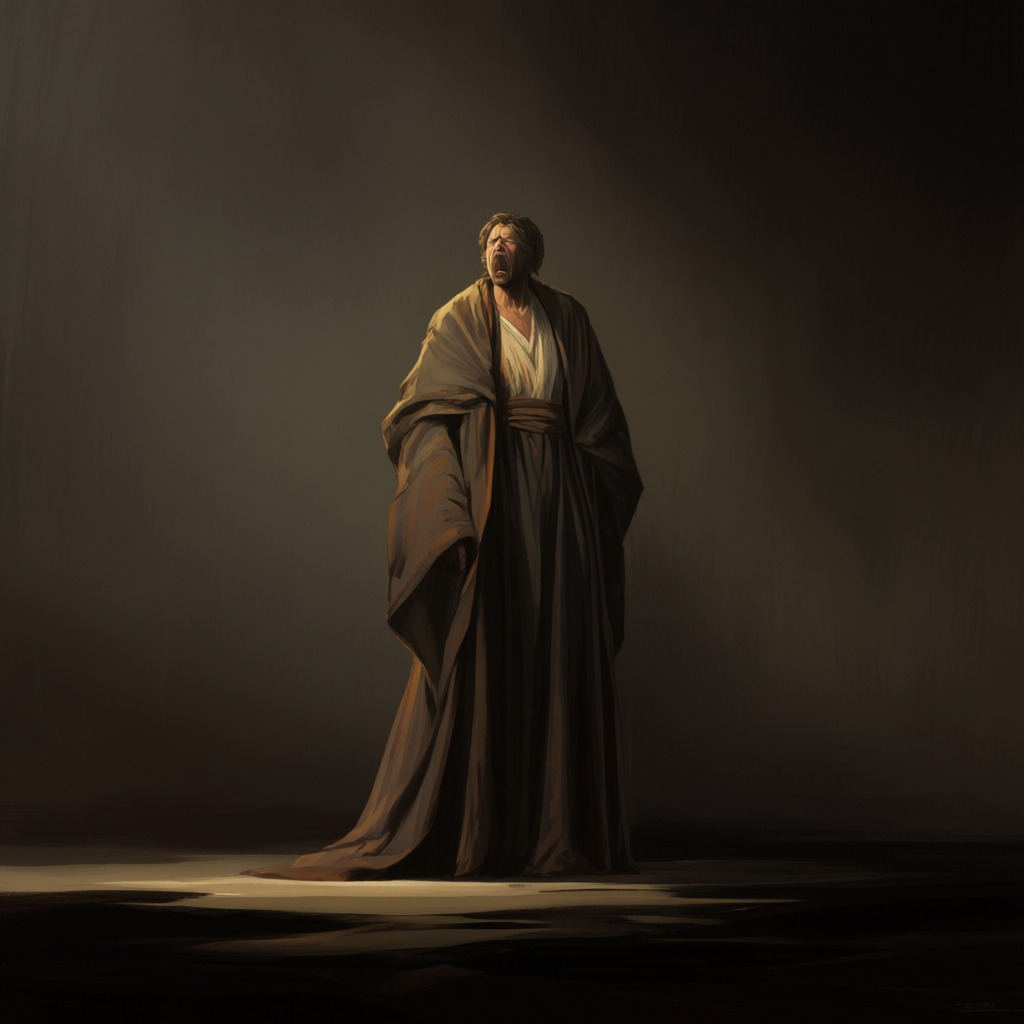
When Mariam turns fifteen, she asks Jalil to take her to his cinema to see a cartoon—a special film about a puppet boy who comes to life. He initially deflects, citing poor picture quality and a malfunctioning projector, but eventually agrees to meet her at the stream the next day. He does not come. Mariam walks to Herat alone, finds his house, and waits outside all night. In the morning, the driver tells her Jalil has instructed him to take her back. As she is being carried to the car, she sees Jalil's face in an upstairs window—a flash of widened eyes and an open mouth before a hand frantically pulls the curtains shut. He let her sleep on the street. When she returns to the kolba, she finds Nana has hanged herself.
The Marriage to Rasheed
After Nana's funeral, Jalil brings Mariam to his house, but within a week his wives inform her that she has a suitor: Rasheed, a Pashtun shoemaker from Kabul who is at least forty years old. Mariam pleads with Jalil not to make her marry, but he sits silently, twirling his wedding band, and finally says in a thin voice, "Goddamn it, Mariam, don't do this to me," as though he is the victim. The nikka takes place the next morning, and Mariam is put on a bus to Kabul that noon. At the bus, she tells Jalil, "I used to worship you… I didn't know that you were ashamed of me," and refuses to let him visit. He walks alongside the bus, rapping his knuckles on the glass, but she does not look back.
The Letter and the Inheritance
Thirteen years later, in 1987, a dying Jalil drives from Herat to Kabul in a blue Benz with Herat license plates. He stands outside Mariam's house for hours, calling her name, leaning on a cane. Mariam sees him through a part in the curtains—his hair now fluffy white, his body much thinner, his dark brown suit drooping over his shoulders—but she closes the curtains and waits for him to leave. He leaves a letter at her door, which she shreds unopened. The letter, later read by Laila after Mariam's death, reveals Jalil's profound regret: he apologizes for not opening the door when she came to Herat, for not making her a daughter, for letting her live in that kolba for all those years. He writes that he has lost his wife Afsoon and daughter Niloufar to stray bullets, his son Farhad to the jihad, and that he dreams of his dead children and of Mariam. He encloses her share of the inheritance—money from the sale of what little land the communists left him—and asks for her forgiveness, signing the letter "Your undeserving father, Jalil." He also leaves a videocassette of Walt Disney's Pinocchio, the cartoon Mariam had wanted to see at his cinema all those years ago.
Thematic Significance
Jalil embodies the destructive power of cowardice masked as concern for reputation. His love for Mariam is real but never strong enough to overcome social pressure, and his pattern of offering beautiful words and gifts while failing to act when it matters most shapes Mariam's lifelong expectation of betrayal. His final letter, arriving too late, becomes a testament to the tragedy of understanding only when nothing can be undone. Mariam's ultimate legacy—her capacity for selfless love toward Laila and Aziza—is forged in direct opposition to the conditional, shame-ridden love Jalil offered her.